Blog · Guides · 3 November 2026
How to avoid scalpers and buy hot launches at the normal price
Practical ways to avoid paying resale premiums for consoles, graphics cards, trading cards and toys, and how to spot fake shops and overpriced marketplace listings.
Whenever a product is hard to get, resellers step in. Some buy in bulk at launch and resell at a premium. Others list products they do not have yet. Meanwhile, fake shops appear offering sold-out items at suspiciously low prices. This guide covers how to buy at the normal price, and how to protect yourself.
Patience pays
The most effective tool against scalpers is time. Restocks of consoles, graphics cards and trading card products do happen, and resale premiums usually shrink once supply catches up. If you can wait, you will very likely get one at retail.
The catch is that restocks are often short. That is why alerts matter: you are not competing with resellers to refresh pages, you are simply told when stock appears.
Track the official sellers
Paste links to product pages from shops that sell at normal prices: the manufacturer's own store, major retailers, specialists and trusted independents. Every Hot Launch accepts links from any store worldwide, so you can track the shops you trust.
Choose back-in-stock alerts, and connect Telegram or push so you can act quickly.
Spotting reseller listings on marketplaces
Marketplaces mix official stock with third-party sellers. Before buying:
- Check the seller name. Is it the shop itself or a third party?
- Look at seller ratings and history. New accounts with few reviews are a risk.
- Compare with the normal price. If it is well above the manufacturer's price, it is resale.
- Read the delivery and returns terms. Third-party sellers can have different policies.
If you are willing to pay a little above retail but not a lot, set a price-drop alert with a target price on a marketplace listing. You will hear if the price falls to a level you accept.
Spotting fake shops
Fake shops copy the look of real ones and offer hard-to-find items in stock at or below retail. Warning signs include:
- A web address you have never heard of, or one that imitates a well-known shop.
- Only bank transfer or unusual payment methods.
- No clear company details, address or returns policy.
- Prices far below everywhere else.
- Reviews that are all recent and all glowing, or none at all.
If in doubt, search for the shop's name with "reviews" or "scam" before paying. Paying by card or PayPal usually gives you more protection.
Store limits and fair buying
Many shops limit quantities per customer during launches. These limits help ordinary buyers. Respect them; orders that break them may be cancelled.
Products where this matters most
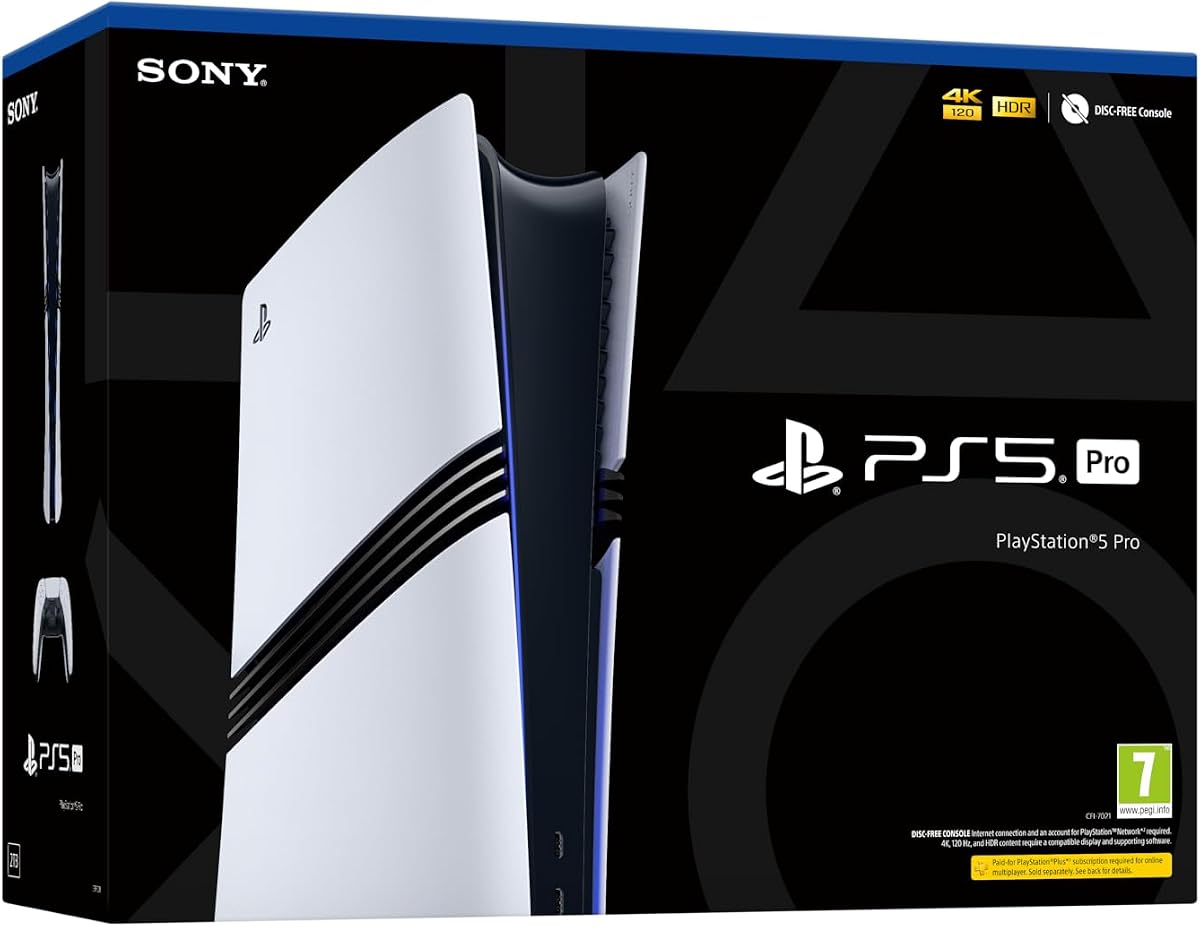
- Consoles like the PS5 Pro and Switch 2.
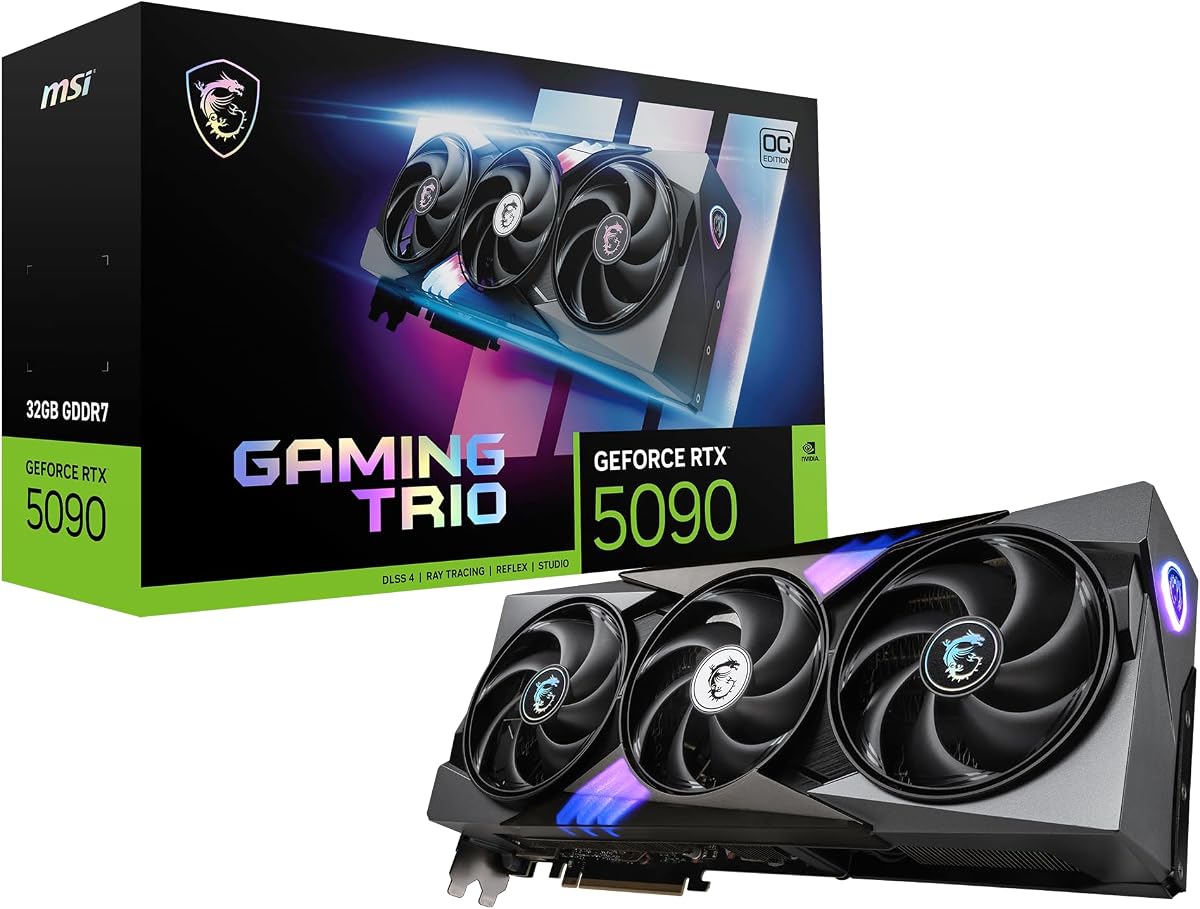
- Graphics cards like the RTX 5090.
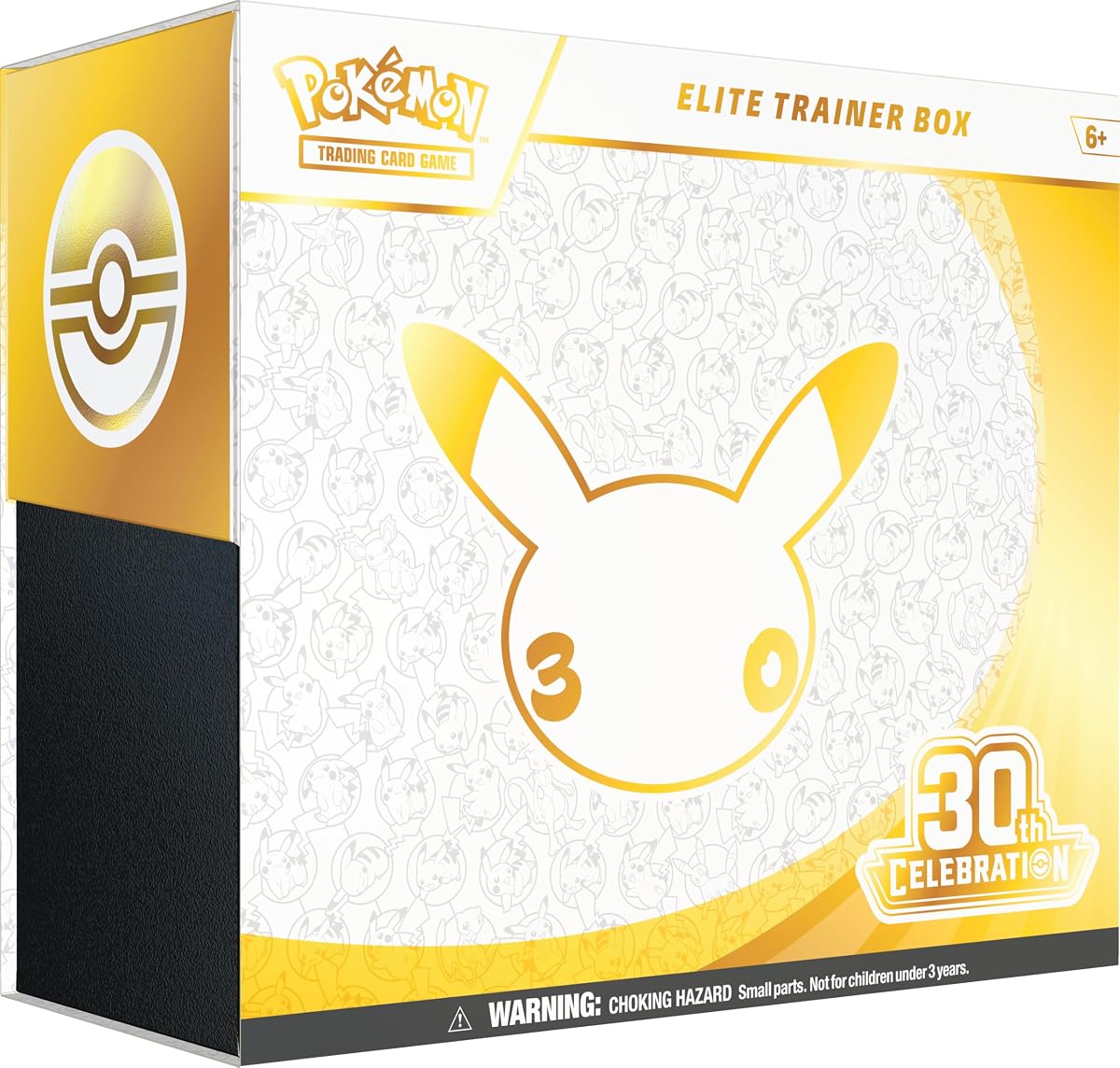
- Trading cards such as the Pokémon 30th Celebration ETB.
- Collectible toys like Labubu.
Step by step: buying a hot launch at the normal price
- Find out the normal price from the manufacturer's own store or a major retailer.
- Track official sellers. Paste product links from shops that sell at the normal price.
- Turn on fast notifications. Connect Telegram or push.
- Prepare your accounts at each shop, with payment and address saved.
- When an alert arrives, act quickly but check the seller and price.
- If you miss a restock, wait for the next one. They do come.
Where to look for normal-price stock
- Manufacturer stores, which sell at the official price.
- Large retailers, which usually price at or near the official price.
- Specialist shops, which often enforce purchase limits.
- Independent shops, which can be quieter on launch days.
- Shops in other countries: you can paste links from any store worldwide. Check delivery and warranty.
What to watch for on resale listings
- The words "rare", "sold out everywhere" or "limited". These are often used to justify a high price.
- Photos copied from the manufacturer. Genuine sellers often show their own photo of the item.
- Unusual payment requests. Paying outside the marketplace removes your protection.
- Pre-sale listings. Some sellers list items they have not received yet. Delivery may never happen.
- Very new seller accounts. A lack of history is a risk.
Using price-drop alerts to beat resale prices
If you decide to buy from a marketplace, set a price-drop alert with a target near the normal price on a listing. Resale prices often fall as supply improves, and we will tell you when the listing reaches your number. Combine this with stock alerts at official shops for the best chance.
How to report a fake shop
If you come across a shop you believe is fake:
- Do not pay. If you already have, contact your card provider or payment service.
- Report it to your country's consumer protection or fraud reporting service.
- Warn others by leaving an honest review on a review site.
Frequently asked questions
Is buying from a reseller illegal? Generally, no. But it is often expensive and riskier than buying from an official shop.
Do you track resale prices? Only on pages you paste. We do not search marketplaces for you.
How do I know if a shop is official? Check the manufacturer's website for a list of authorised retailers where available.
How much do alerts cost? A flat one-off £5 per link, shown in your local currency. One-off fee. No subscription.
Should I just wait? If you can, yes. Restocks at normal prices usually come, and alerts mean you will not miss them.
Summary
Track official sellers, wait for restocks, check sellers carefully and avoid deals that look too good to be true. With alerts doing the watching, buying at the normal price is very achievable. Paste a link to get started; it is a one-off £5, shown in your local currency. One-off fee. No subscription.